AI for Rare Diseases Diagnosis: DeepRare Leads the Way
Posted 6 months ago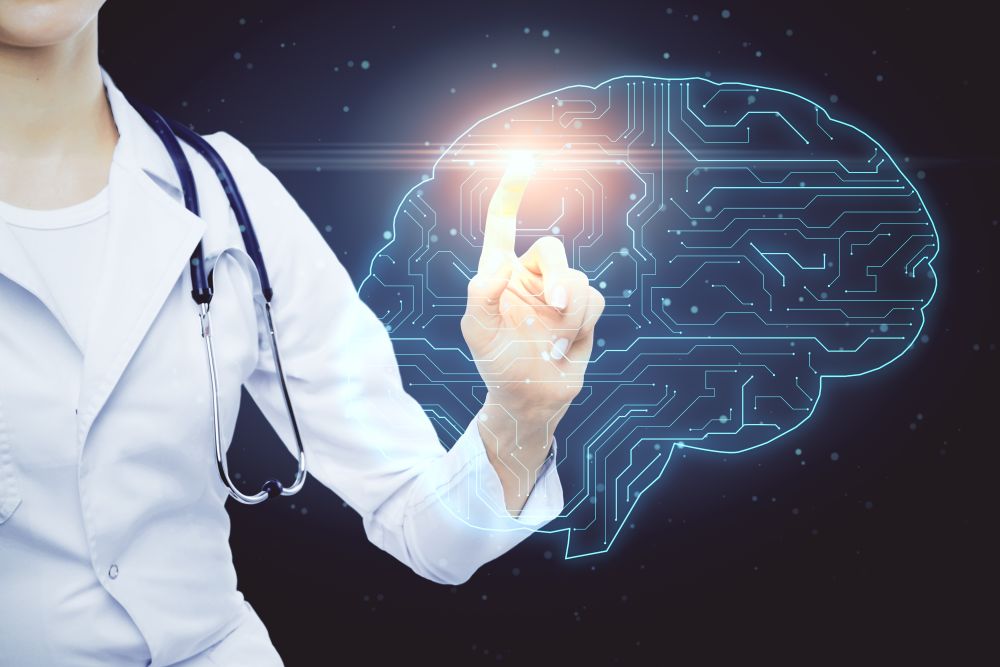
11/2026
In a major advancement for healthcare, artificial intelligence (AI) is changing how doctors diagnose rare diseases, providing faster and more accurate answers for patients and families who often wait years for a correct diagnosis. This innovative technology could transform medical diagnosis and reshape healthcare systems worldwide.
Why Rare Disease Diagnosis Is So Hard
More than 300 million people around the world live with rare disease conditions that affect very small populations, making them extremely hard to identify. In many cases, patients go through a “diagnostic odyssey,” a frustrating process of misdiagnoses, repeated testing, and prolonged delays.
Traditional diagnosis relies on a clinician’s experience and knowledge. But because there are thousands of rare diseases, many of which doctors may never encounter in a lifetime, even expert physicians can struggle to identify them quickly.
DeepRare is an advanced AI system created to assist clinicians by analyzing large volumes of medical data to quickly and accurately identify rare diseases, with built-in validation processes that ensure high reliability and minimize errors.
DeepRare analyzes:
- patient symptoms
- genetic test results
- clinical records
- medical literature
It then ranks possible diagnoses and explains why it selected them, which helps doctors and patients understand the reasoning behind each suggestion, fostering trust in AI's role in healthcare.
AI vs. Doctors: Teamwork, Not Replacement
DeepRare doesn’t replace doctors; it supports and collaborates with them. In controlled tests, the AI’s diagnostic suggestions matched or exceeded those of experienced clinicians, showing how AI can be a trusted partner in complex cases.
Such AI-assisted diagnosis can:
- reduce diagnostic delays
- decrease unnecessary tests
- cut healthcare costs
- improve patient outcomes
The Rise of Explainable AI in Medicine
One of the main issues with machine learning in medicine is the “black box” problem, where an AI provides a conclusion without explaining how it arrived at it. DeepRare addresses this by providing transparent explanations that doctors can review, verify, and discuss with patients. This explainable AI enhances clinical decision-making and builds patient trust.
Real-World Impact: Faster Answers for Families
For rare disease patients, each month without a diagnosis can cause emotional stress and frustration. By speeding up the process, AI systems like DeepRare can help bring relief and hope by reducing the time to diagnosis from years to weeks or days.
While healthcare experts believe that integrating AI tools like DeepRare will become more widespread, they also recognize challenges such as data privacy, training needs, and system integration that must be addressed to ensure successful adoption.
Conclusion: A New Era for Rare Disease Care
AI-powered tools like DeepRare are ushering in a new era of healthcare where rare diseases are easier to diagnose, clinical decisions are better informed, and patients spend less time uncertain about their health. As AI and healthcare continue to converge, the promise of faster, more accurate diagnoses moves closer to reality for millions of people worldwide.