A Baby, a Broken Gene, and the Power of Science Saved Him from Dying
Posted 6 months ago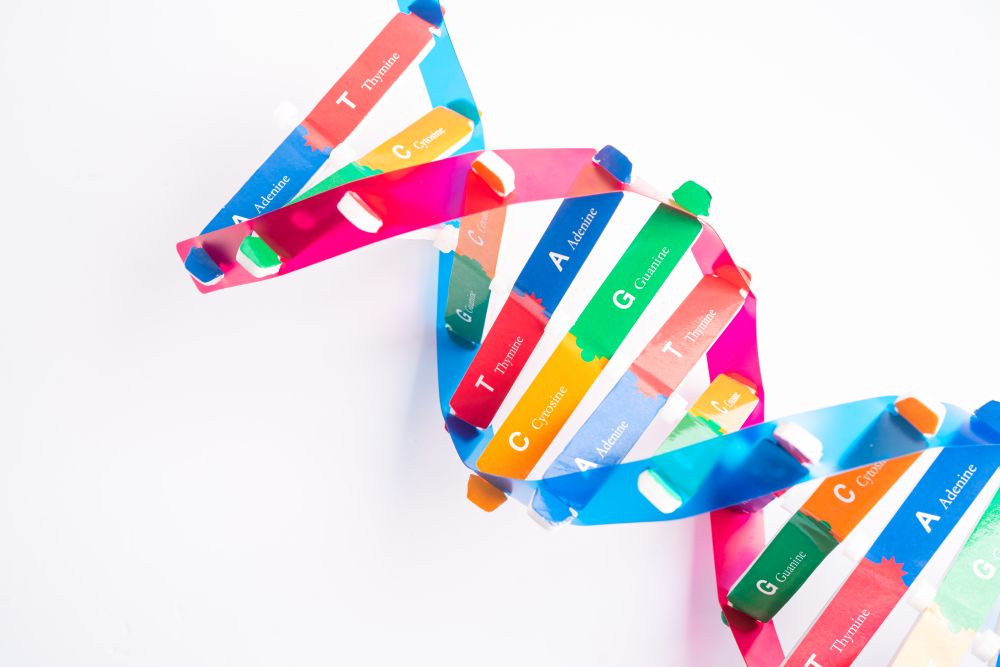
When a tiny baby named KJ was born in August 2024, no one imagined he would soon become a symbol of hope for science and medicine. At first, to the doctors and researchers trying to save him, he was not even given a name. He was simply Patient Eta.
But KJ was different from other newborns. He slept a lot. He ate very little. His small body seemed exhausted by life before it truly had a chance to start. After many tests, doctors found something terrifying: KJ had a very rare genetic disease called carbamoyl-phosphate synthetase 1 (CPS1) deficiency. Because of a tiny error in his DNA, his body couldn't properly process protein.
Normally, when we eat protein, our body breaks it down and safely removes waste, such as ammonia, through the liver and urine. In KJ’s case, ammonia built up in his blood like poison. Too much ammonia can harm the brain, and for many babies with this condition, life ends in infancy. A liver transplant is the only known treatment, but even that can come too late.
This is where science stepped in.
One of KJ’s doctors, Rebecca Ahrens-Nicklas from the University of Pennsylvania, USA, examined the fragile baby and asked a bold question: What if we could fix the problem at its source? Not just manage the disease but correct the faulty gene itself.
She collaborated with Kiran Musunuru, a scientist at the University of Pennsylvania, who believed that modern gene-editing tools could be used not just for many patients but even for a single child. Their idea was bold, almost unbelievable: to create a personalized gene therapy designed solely for KJ, to correct one wrong letter in his three-billion-letter DNA sequence.
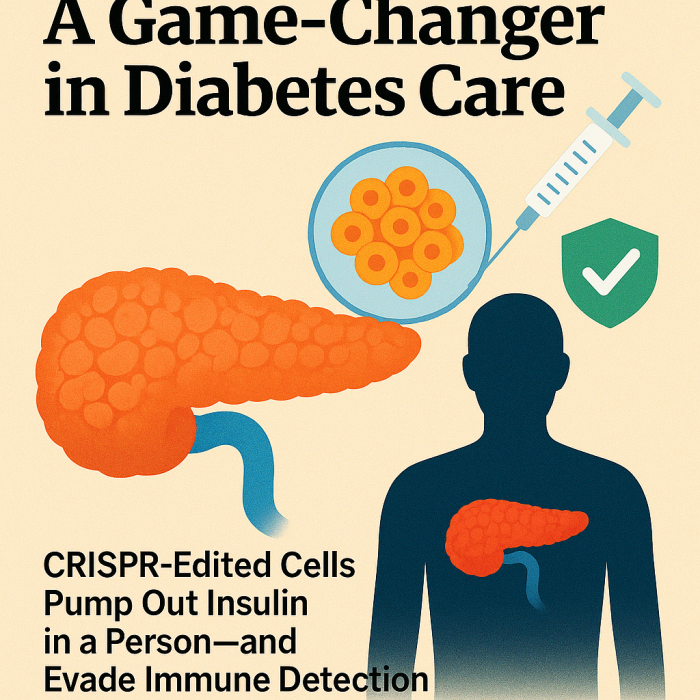
Using an advanced form of CRISPR technology called base editing, scientists carefully fixed that single genetic typo in KJ’s liver cells. No one had ever done something like this so quickly, so precisely, and for just one human being. Time was running out. KJ had only months before the poison in his blood could overwhelm his tiny body.
Behind the scenes, numerous scientists, doctors, and manufacturing teams worked tirelessly day and night. Companies that usually plan years ahead condensed their schedules into weeks. What was expected to take 18 months was finished in just six. Science advanced faster than ever because a baby’s life depended on it.
In February 2025, KJ received the first of three treatments. Gradually, signs of hope surfaced. He was able to handle more protein. His body started to recover. The monitors remained quiet. The danger diminished.
After spending 307 days in the hospital, KJ finally went home. Nurses and doctors lined the hallways, clapping as he left. Outside, people cheered—not just for a baby, but for what science had made possible.
At home, KJ did what babies usually do. He smiled, ate solid food, and practiced taking his first steps. His mother, Nicole, noticed something simple and beautiful: “He’s always smiling.”
KJ’s story is more than a medical miracle. It is a reminder of why science matters.
Science is not just equations, machines, or laboratories. Science is hope when there seems to be none. Curiosity asks, “What if?” It is teamwork across hospitals, universities, and industries. It is the courage to try something new when old solutions are not enough.
Today, scientists are asking a crucial question: How can this help more children like KJ? Personalized treatments are costly, and securing funding is difficult. However, new public programs and a renewed focus on rare diseases are opening doors that were once thought closed. However, the affordability issue will continue to linger for the poor and children in developing countries.
KJ's life proved that science, when guided by compassion and determination, can alter fate itself.
And somewhere, another family is hoping that the next miracle will come in time, guided by science, just as it was for KJ.