Introduction to Environmental Science and Human Health
Posted 6 months ago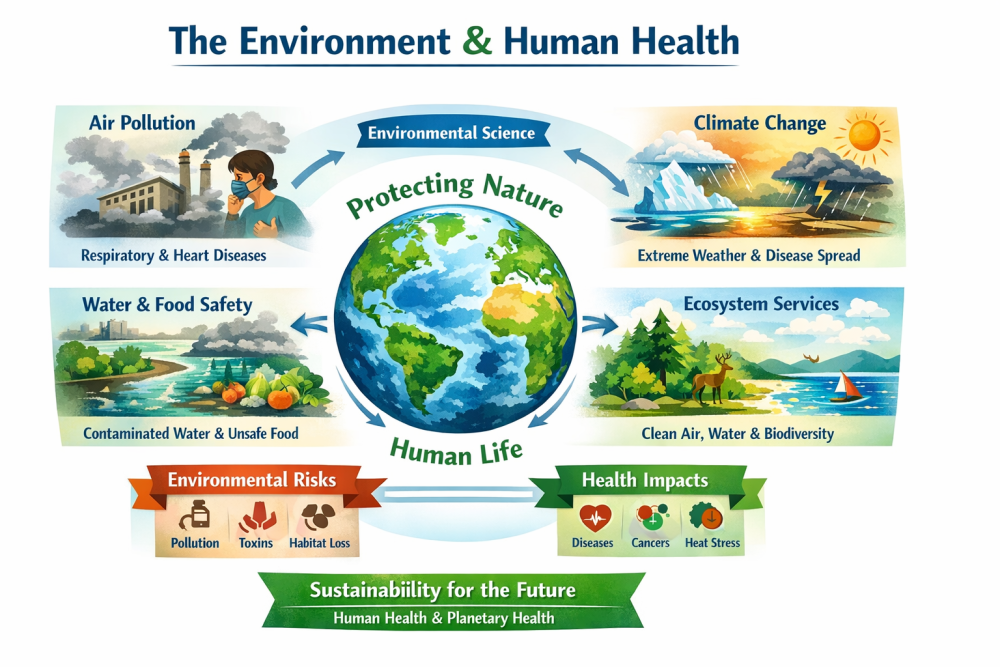
EH-1
TikTok Video - EH0-Environment and Human Health
The air we breathe, the water we drink, and the food we consume are essential for human survival. For example, polluted air can cause respiratory issues. These vital resources rely on the health and stability of our environment. The quality of the environment ultimately influences the quality of life on Earth. When environmental conditions change due to pollution, climate change, or ecological degradation, human health is directly impacted. Understanding this connection between the environment and human well-being forms the foundation of environmental science.
Environmental science is an interdisciplinary field that combines knowledge from biology, chemistry, physics, geology, and social sciences to study the environment and solve environmental problems. It aims to understand how natural systems work and how human activities affect them. Because environmental challenges are complex and interconnected, environmental science integrates multiple scientific disciplines to analyze environmental systems and develop sustainable solutions.
The key part of environmental science is environmental health, which studies how environmental factors affect human health and disease. Recognizing how environmental health influences our well-being can inspire students to see their role in promoting healthier communities.
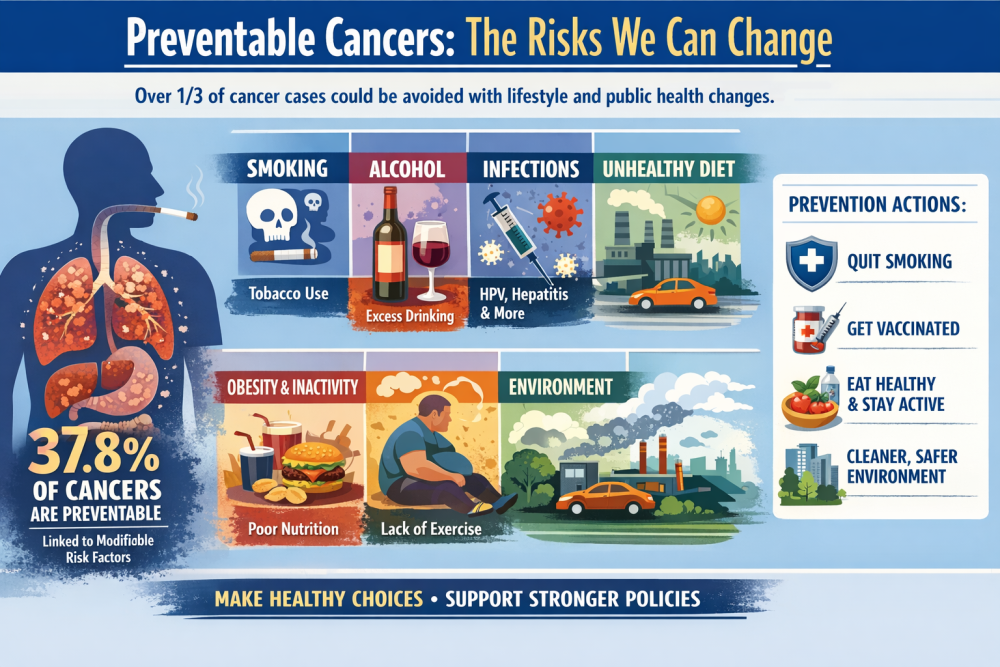
Research consistently shows that environmental conditions greatly influence global health outcomes. The WHO estimates that nearly a quarter of the world's disease burden is attributable to environmental risks, including air pollution, unsafe water, poor sanitation, chemical exposures, and climate change. These factors contribute to a broad spectrum of health issues, including respiratory diseases, cardiovascular problems, cancers, and infectious diseases.
Environmental influences on health go beyond obvious dangers like polluted air or contaminated water. The wider environment, including ecosystems, climate patterns, biodiversity, and urban infrastructure, also impacts human well-being. Understanding how human activities, such as industrialization, urbanization, agriculture, and resource use, alter natural systems can empower students to make positive changes.
For example, air pollution from vehicles and industries can cause asthma, heart disease, and early death. Contaminated water sources may spread infectious diseases, while climate change raises the frequency of extreme weather events, heat waves, and shifts in disease patterns. Conversely, healthy ecosystems such as forests, wetlands, and oceans provide vital services that support human life, including clean air, safe water, fertile soil, and climate regulation.
Environmental science also emphasizes sustainability, which means the responsible use of natural resources so that current needs are met without harming future generations' ability to meet theirs. Recognizing this duty can motivate students to consider their impact and support sustainable practices for a better future.
The study of environmental science has become more crucial in today's world. Rapid population growth, industrialization, urbanization, and technological progress have exerted unprecedented pressure on Earth’s ecosystems. Issues such as climate change, biodiversity loss, plastic pollution, and environmental damage have emerged as global challenges impacting all nations and communities.
In this Introduction to Environmental Science course, we will examine how environmental systems operate and how they impact human health and well-being. Students will learn about the fundamental components of the environment: air, water, soil, ecosystems, and climate, and how human activities interact with these systems. The course will also cover major environmental health concerns, such as pollution, climate change, food safety, and sustainable resource management.
Understanding environmental science equips students with the knowledge needed to tackle some of humanity's biggest challenges. By exploring the connections between environmental systems and public health, learners can see how protecting nature also safeguards human life.
Ultimately, the message of environmental science is clear but meaningful: human health and planetary health are intertwined. A healthy environment promotes healthy communities, while environmental harm endangers both ecosystems and human existence. By understanding this connection, we can make informed choices that protect our planet and ensure a sustainable future for generations ahead.